

Report · January–June 2026
This report presents the results of the Safe Space programme at State Kindergarten No. 532 ‘Kraina Dytynstva’ (‘Land of Childhood’) in Kyiv — the first state-run kindergarten to join the project.
Implemented with the support of Restart Foundation, in partnership with the Ukrainian NGO Words Help and the Mental Health Centre at the National University of Kyiv-Mohyla Academy (NaUKMA).
Prepared by the project team: Oksana Zaleska (supervisor), Alla Yansons (Chief Executive of Restart Foundation), Yevheniia Zavorotynska (mentor) and Olena Tkachenko (mentor).
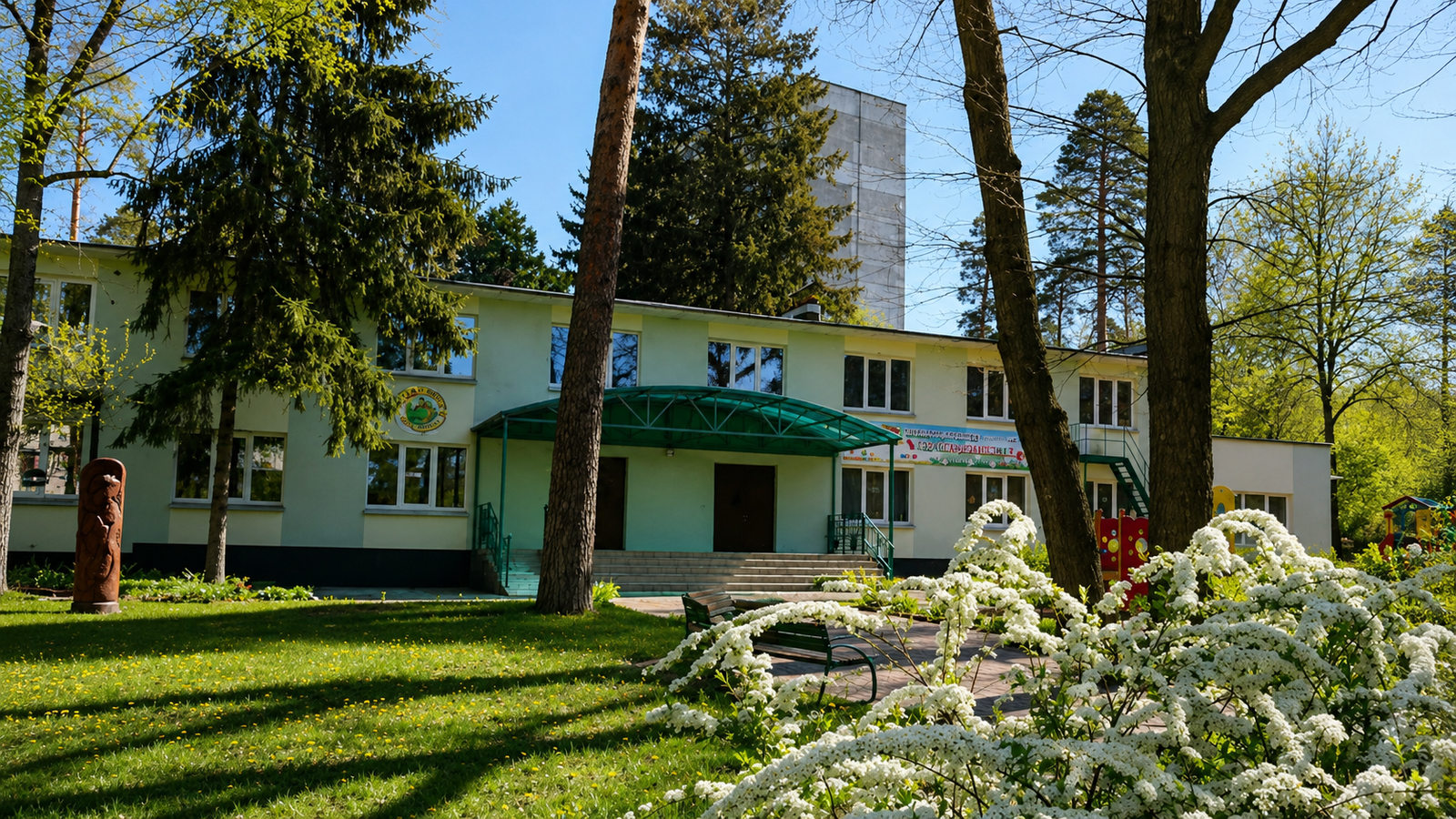
State Kindergarten No. 532 ‘Kraina Dytynstva’, Kyiv
The Context
Delivering support amid war
Throughout the programme, Kyiv came under repeated combined missile and drone attacks. Air-raid alerts interrupted sessions, and children and staff moved to the shelter — which was too small for group work, so sessions had to be rescheduled. On one programme day, an enemy drone was shot down near the kindergarten; when it crashed into a nearby lake and exploded, the building shook.
The war reached the team directly, too: the home and, a month later, the practice of one trainee, Anzhela Karas, were damaged in the May attacks on Kyiv. Despite all of this, parents, children, teachers and psychologists kept working to protect the children’s sense of safety and their childhood.
About the Programme
A safe space, held every week
The Safe Space programme was developed by the Mental Health Centre at NaUKMA to strengthen children’s resilience and support their emotional wellbeing in wartime. At Kindergarten No. 532, seven groups of 51 pre-school children took part in weekly therapeutic sessions over twelve weeks, combining play, creative exercises, movement, sensory materials and work on emotions.
A team of eight specialists delivered the programme — a supervisor, two mentors and five trainees — and worked not only with the children, but with the whole network of adults around them: parents, teachers and the kindergarten’s management.
Who received support
126 people, by group
How the 223 activities break down
Two main areas of work
Professional & organisational support — 74 (33.2%)
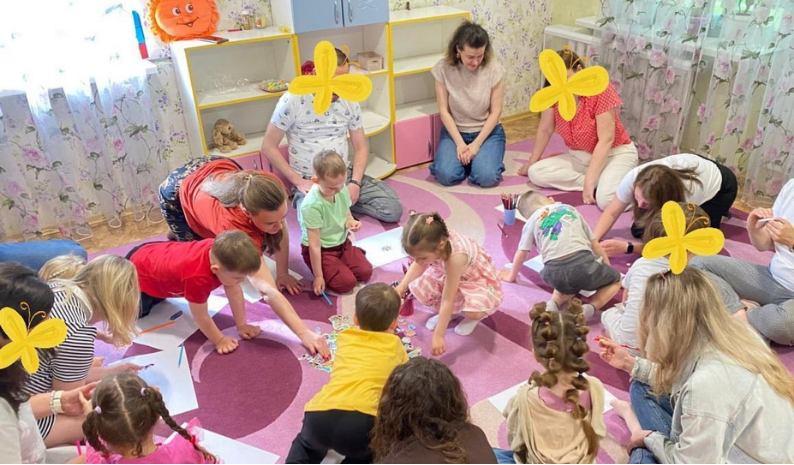
A group session during the Safe Space programme
Who received support
How the 223 activities divided
| Activity | Number |
|---|---|
| Group sessions with children | 65 |
| Meetings with parents | 40 |
| Resource & methodological meetings with educators | 20 |
| Referrals to specialised support | 13 |
| Observations | 11 |
| Supervision, mentoring & organisational support | 74 |
| Total activities | 223 |
Key Findings
What changed over six months
Children
Across all seven groups, children became more able to recognise and name their emotions, take turns, accept rules and return to calm after excitement or distress. Even the most restless groups showed greater cohesion and engagement by the end.
Parents
Parents moved from initial wariness to active participation and trust. Demand for psychological support grew — for their children and for themselves — and individual consultations helped families find further support in good time.
Teachers
Fourteen educators were given space to reflect on exhaustion and burnout, and gained practical tools for supporting children through wartime stress. Three asked for individual psychological support.
Professional capacity
Five trainees developed their practice through observation, supervision and mentoring. One joined the kindergarten’s permanent staff; another completed her certification as a Safe Space trainer.
“Is it Friday today? Let’s go quickly — the psychologists are coming today.”
A child at Kindergarten No. 532
In Conclusion
A foundation of care, stability and hope
The programme showed that even amid war, air-raid alerts and exhaustion, it is possible to hold a regular, safe space for children — one where they can play, create, talk about their feelings and rely on caring adults.
It strengthened the children’s resilience, supported parents and teachers, and left a lasting mark: a psychologist now works on the kindergarten’s staff, laying the foundation for stable, long-term support after the project’s completion.
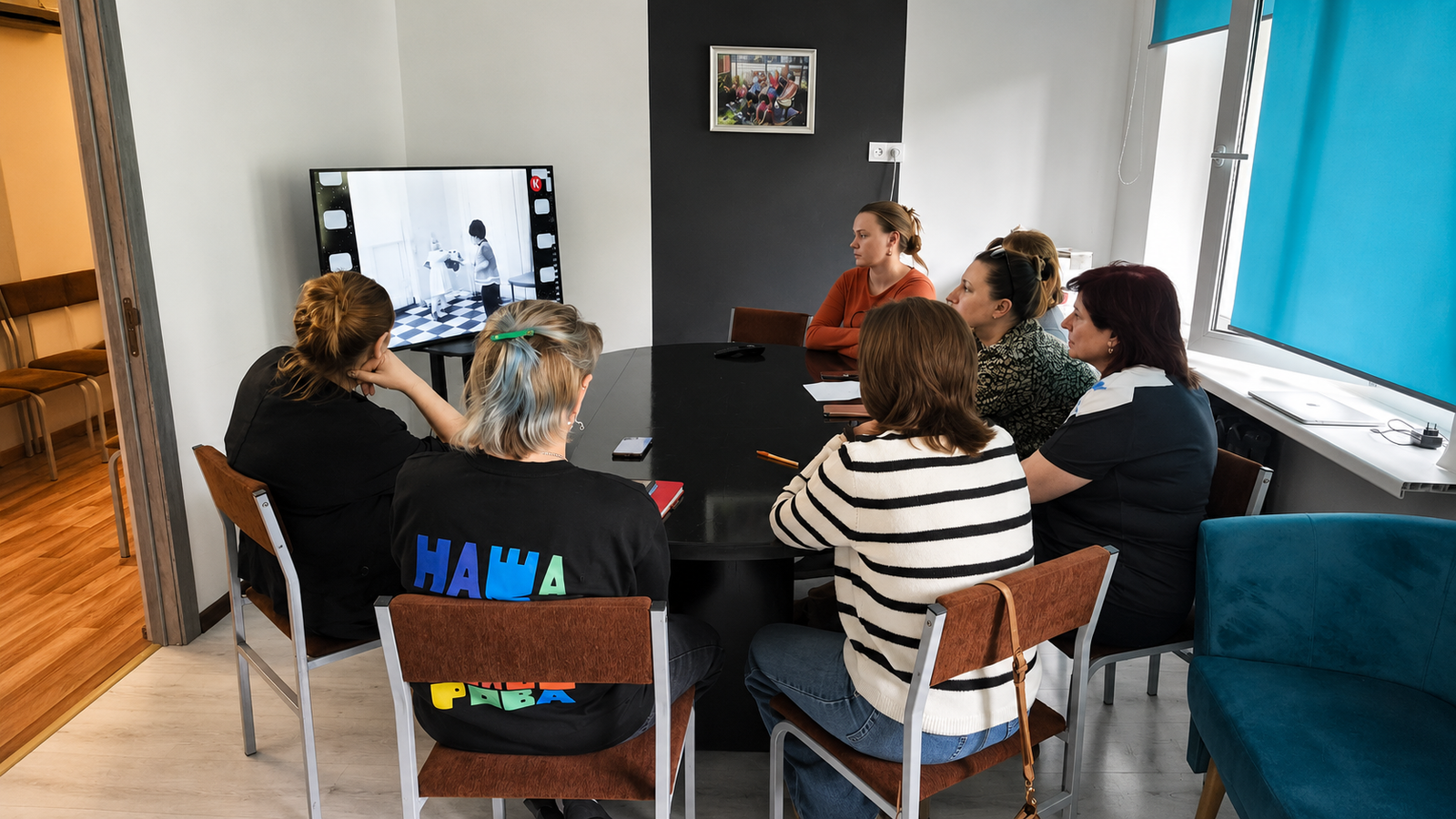
A session with the project’s trainees
Watch a one-minute film from the sessions with the kindergarten staff:
Read the full report
Available in English and Ukrainian (PDF)
