

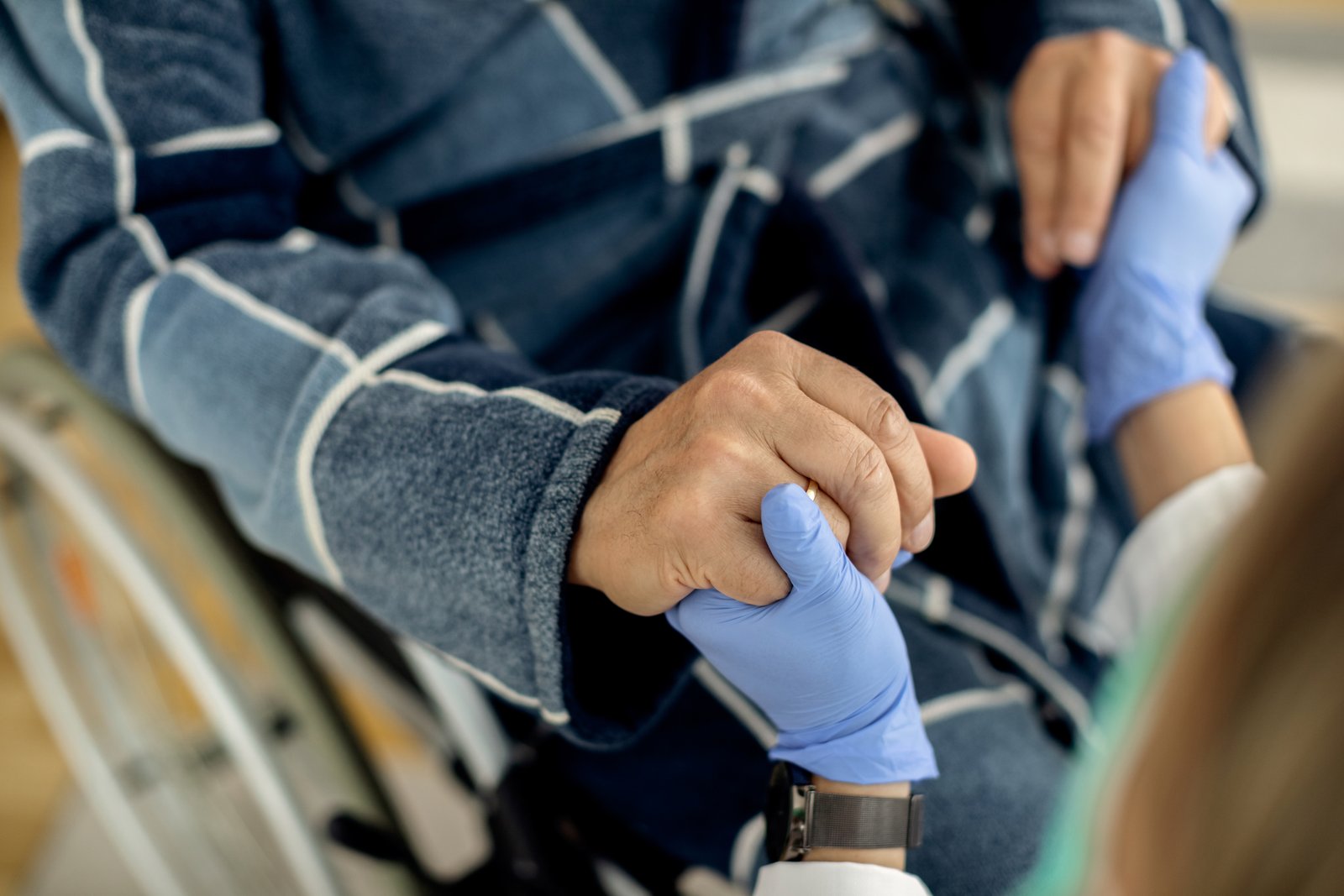
The programme combines clinical assessment, targeted rehabilitation sessions and structured follow-up — each step built around your individual goals and current level of functioning.
Assess
Rehabilitate
Support
*Additional methods where indicated. Course duration and procedures depend on individual needs and tolerability.
Who the programme is for
Support for symptoms that persist
For veterans aged 18–60 whose symptoms have lasted at least three months after mild TBI, including blast-related injury. Eligibility follows a clinical assessment.
01
Memory and attention
Concentration, remembering information, planning the day and managing mental workload.
02
Pain and physical wellbeing
Headaches, fatigue, dizziness, light or noise sensitivity and difficulties with balance.
03
Sleep and emotions
Sleep difficulties, irritability, anxiety or low mood. PTSD care is coordinated where needed.
Why this matters
The effects of injury may be invisible to others
A person may look healthy while being exhausted by pain, poor sleep or difficulty concentrating. Repeated head injuries, chronic pain and PTSD may add to these challenges.
The plan addresses physical wellbeing, cognitive functioning and mental health together.
How it works
Three stages of coordinated care
01
Assessment and shared goals
Review your injury history and symptoms. Assess memory, attention, sleep, pain and emotional wellbeing. Agree on goals and an individual plan.
02
Individual rehabilitation
Cognitive exercises, work on sleep, psychological support and physical or vestibular rehabilitation. tDCS and neurofeedback where indicated.
03
Review and ongoing support
Repeat assessment, review progress towards your goals and agree on practical recommendations and a follow-up plan.
Your individual plan
Methods and practical support
tDCS
A weak electrical current is delivered through scalp electrodes using a DC-Stimulator Plus. Parameters are selected by the clinical team.
Neurofeedback
Brain activity is recorded and translated into visual or audio feedback to practise self-regulation, using the Thera Prax QEEG system.
Skills for everyday life
Memory and attention exercises, activity management, sleep support and physical activity. Loved ones can be involved with your consent.
tDCS and neurofeedback for persistent symptoms after TBI are still being investigated. Their appropriateness, potential benefits and risks are discussed individually before treatment.
An indicative four-week pathway
A course that adapts to your needs
Week 01
Introduction
Assessment, personal goals and tolerance to activity.
Week 02
Regular sessions
Rehabilitation exercises and psychological support.
Week 03
Review the plan
Interim assessment and adjustment of activity levels.
Week 04
Next steps
Repeat assessment and recommendations for recovery.
The sequence and duration may be adjusted on clinical grounds.
Progress and safety
How we track change
At the start and end of the course the team assesses symptoms, cognitive functioning and everyday wellbeing. We track, with you, whether daily tasks, sleep, social contact and activity tolerance become more manageable.
Participation is voluntary
Before starting, specialists assess indications, contraindications and any current treatment. Wellbeing and any adverse reactions are monitored throughout. Procedures can be adjusted or stopped at any time.
Programme team
Clinical protocol developed by

Find out about participation
Register your interest
Complete the form below and the programme team will be in touch to discuss next steps and eligibility. All information is treated confidentially.
